
Recent Posts
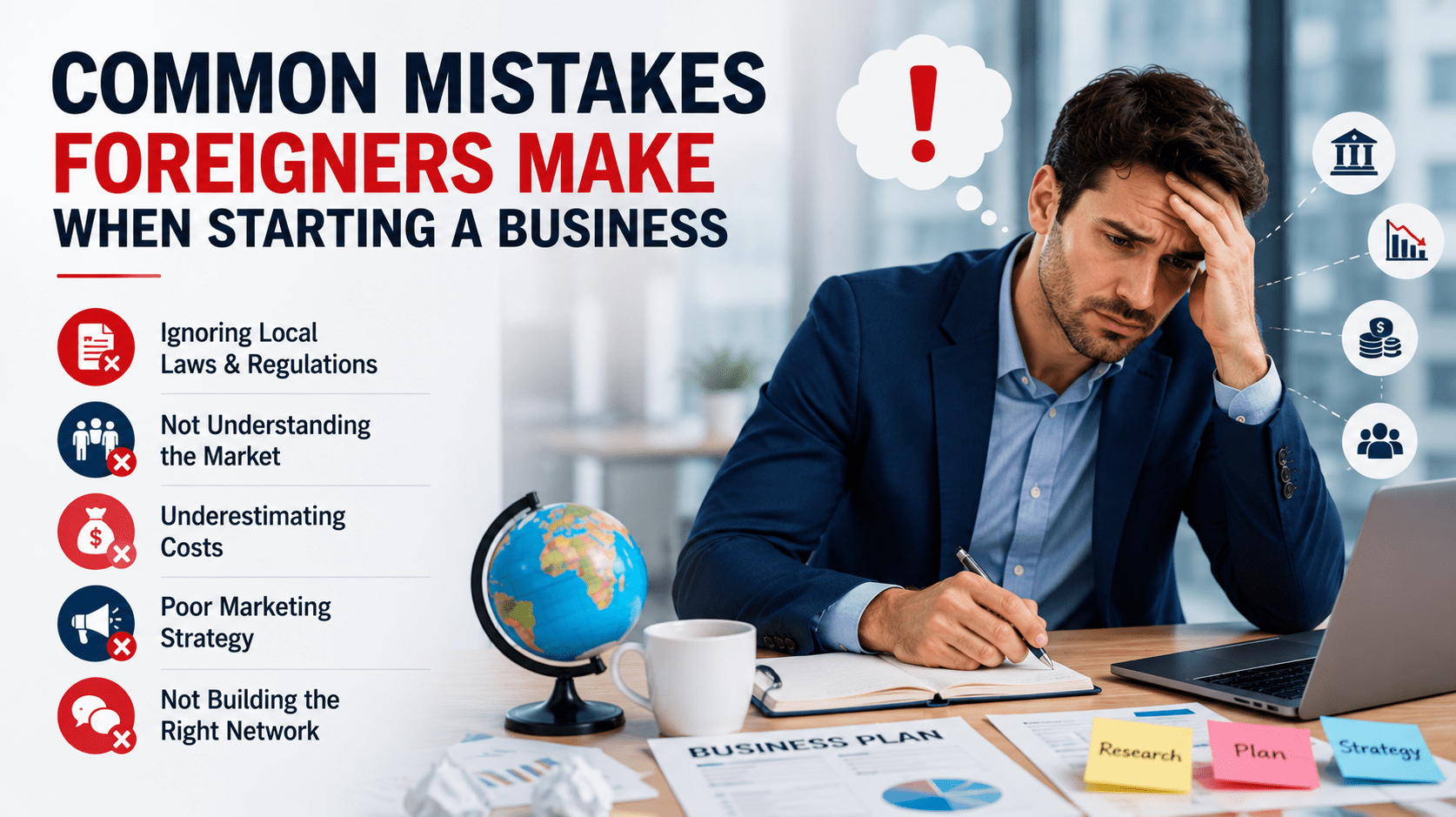
Common Mistakes Foreigners Make When Starting a Business in Canada
Canada has become one of the most attractive countries for entrepreneurs looking to expand internationally. Its strong economy, transparent legal system, and business-friendly environment make it a preferred destination for foreign investors and startup founders. However, many international entrepreneurs make avoidable mistakes during the setup process, which can later create legal, financial, and operational challenges.
Starting a business in Canada requires more than simply registering a company. Foreign entrepreneurs must understand Canadian regulations, tax obligations, compliance requirements, and business operations to build a stable and successful company. Avoiding common mistakes from the beginning can save time, money, and future complications.
Choosing the Wrong Business Structure
One of the most common mistakes foreigners make is selecting the wrong business structure without fully understanding its impact. Some entrepreneurs choose sole proprietorships because they are simple to set up, while others incorporate too quickly without proper planning.
The right business structure depends on several factors, including taxation, liability protection, ownership goals, and future expansion plans. A poor decision at the beginning can create tax inefficiencies, investment limitations, and legal complications later.
Understanding the differences between sole proprietorships, partnerships, and corporations is extremely important before registering a business in Canada.
Ignoring Tax and Compliance Requirements
Many foreign business owners underestimate Canadian tax obligations. Some assume they only need to follow tax laws in their home country, but businesses operating in Canada may still have corporate tax, GST/HST, payroll, and reporting responsibilities.
Failure to maintain proper bookkeeping or file taxes correctly can result in penalties and financial stress. Businesses also risk missing important filing deadlines if they do not understand the Canadian tax system properly.
Professional accounting support can help businesses remain compliant and avoid costly mistakes related to tax reporting and financial management.
Not Researching Provincial Rules
Canada’s business regulations can vary depending on the province. Some provinces have residency requirements for directors, while others allow complete foreign ownership without requiring Canadian resident directors.
Many entrepreneurs fail to research these rules before incorporation, which can delay the setup process or create legal complications. Choosing the wrong province can also affect taxation, compliance flexibility, and future business expansion.
Understanding provincial regulations before incorporation helps businesses operate more efficiently and avoid unnecessary restructuring later.
Starting Without a Proper Business Plan
Another common mistake is rushing into business registration without developing a clear strategy. Some entrepreneurs focus only on incorporation and overlook market research, competition analysis, and operational planning.
Without a proper business plan, companies may struggle with customer acquisition, pricing strategies, and long-term sustainability. Understanding the target market, industry demand, and financial requirements is essential before launching operations.
A well-planned strategy provides a stronger foundation for growth and helps businesses make better financial and operational decisions.
Underestimating Business Costs
Many foreigners underestimate the actual cost of running a business in Canada. While incorporation fees may appear manageable, additional expenses such as accounting, legal support, banking, insurance, payroll, and marketing can significantly increase operational costs.
Poor financial planning can create cash flow problems, especially during the early stages of business growth. Entrepreneurs should prepare realistic budgets that include both setup costs and ongoing operational expenses.
Maintaining organized financial records from the beginning also helps businesses manage taxes and monitor long-term profitability more effectively.
Overlooking Legal Protection
Some foreign entrepreneurs try to reduce expenses by avoiding legal documentation during the setup process. However, missing agreements and legal protections can create serious disputes later.
Businesses with multiple owners should establish proper shareholder or partnership agreements early. Companies hiring employees or working with contractors should also use legally compliant contracts and policies.
Legal protection is especially important for businesses operating internationally, where misunderstandings and compliance issues can become more complex over time.
Not Understanding Employment Laws
Foreign business owners hiring employees in Canada often underestimate the importance of employment regulations. Canadian labor laws cover areas such as wages, overtime, workplace safety, vacation policies, and termination procedures.
These rules may vary between provinces, making compliance more complicated for businesses operating in multiple locations. Improper payroll setup or employee classification can result in penalties and legal risks.
Businesses planning to hire Canadian employees should understand local employment standards before expanding their workforce.
Trying to Manage Everything Alone
Many entrepreneurs attempt to handle incorporation, taxes, legal compliance, and accounting independently to reduce costs. While this may seem practical initially, mistakes made during setup can become expensive and difficult to fix later.
Working with experienced consultants, accountants, and legal professionals can simplify the process and help businesses avoid unnecessary risks. Professional support is especially valuable for non-resident entrepreneurs unfamiliar with Canadian regulations and compliance requirements.
Conclusion
Starting a business in Canada as a foreigner offers excellent opportunities, but long-term success depends on proper planning and compliance. From choosing the correct business structure to understanding taxes and legal obligations, avoiding common mistakes can make the setup process smoother and more efficient.
Canada continues to attract entrepreneurs from around the world because of its stable economy and supportive business environment. With the right strategy, professional guidance, and proper planning, foreign entrepreneurs can successfully establish and grow businesses in Canada.
Complete Consulting Canada helps foreign entrepreneurs avoid costly mistakes when starting a business in Canada. From choosing the right business structure to understanding tax obligations, compliance requirements, and growth strategies, our experts provide the guidance you need for a smooth and successful business journey. 🚀📈 Partner with us to build your Canadian business with confidence and long-term success
Frequently Asked Questions
Yes, foreigners can legally own and operate businesses in Canada, although certain provincial rules may apply depending on the business structure.
One of the biggest mistakes is failing to understand Canadian tax and compliance requirements before starting operations.
In many cases, yes. Businesses selling taxable goods or services in Canada may need GST/HST registration depending on revenue and operations.
Yes, professional support can help businesses avoid legal, tax, and compliance mistakes that may become costly later.
Yes, foreign-owned businesses can hire Canadian employees once the company is properly registered and compliant with employment laws.
The best province depends on the business model, residency requirements, taxation, and future expansion plans.